
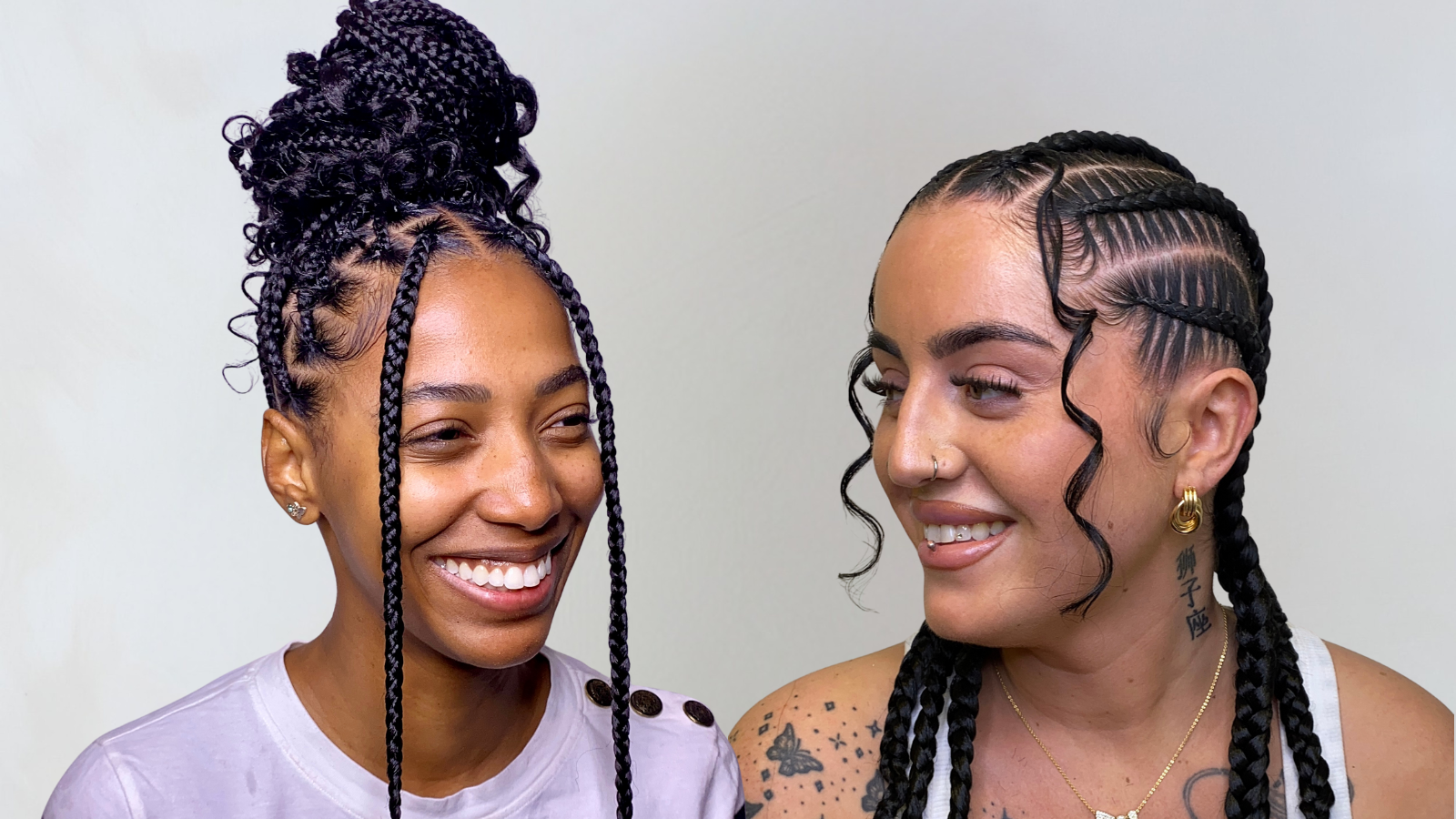
The Beginner Braider's Product Guide
The products I actually use, what they're for, and what I'd recommend if you're just starting out.
One of the questions I get asked most often as a professional braider and educator is, "What gel do you use?"
The honest answer is that there isn't one perfect gel.
Different products do different jobs. Some are brilliant for making your parts look clean, some are better for gripping coarser hair at the base, and some are great for smoothing the natural hair into the braid as you work.
The mistake I see beginners make is buying five or six different products because someone recommended them on social media. In reality, you can produce beautiful work with just a few well-chosen products and good technique.
This isn't a sponsored list. It's simply what I've found works after years of braiding clients, teaching students, and working across different hair textures.
The Types of Braiding Gel You Actually Need
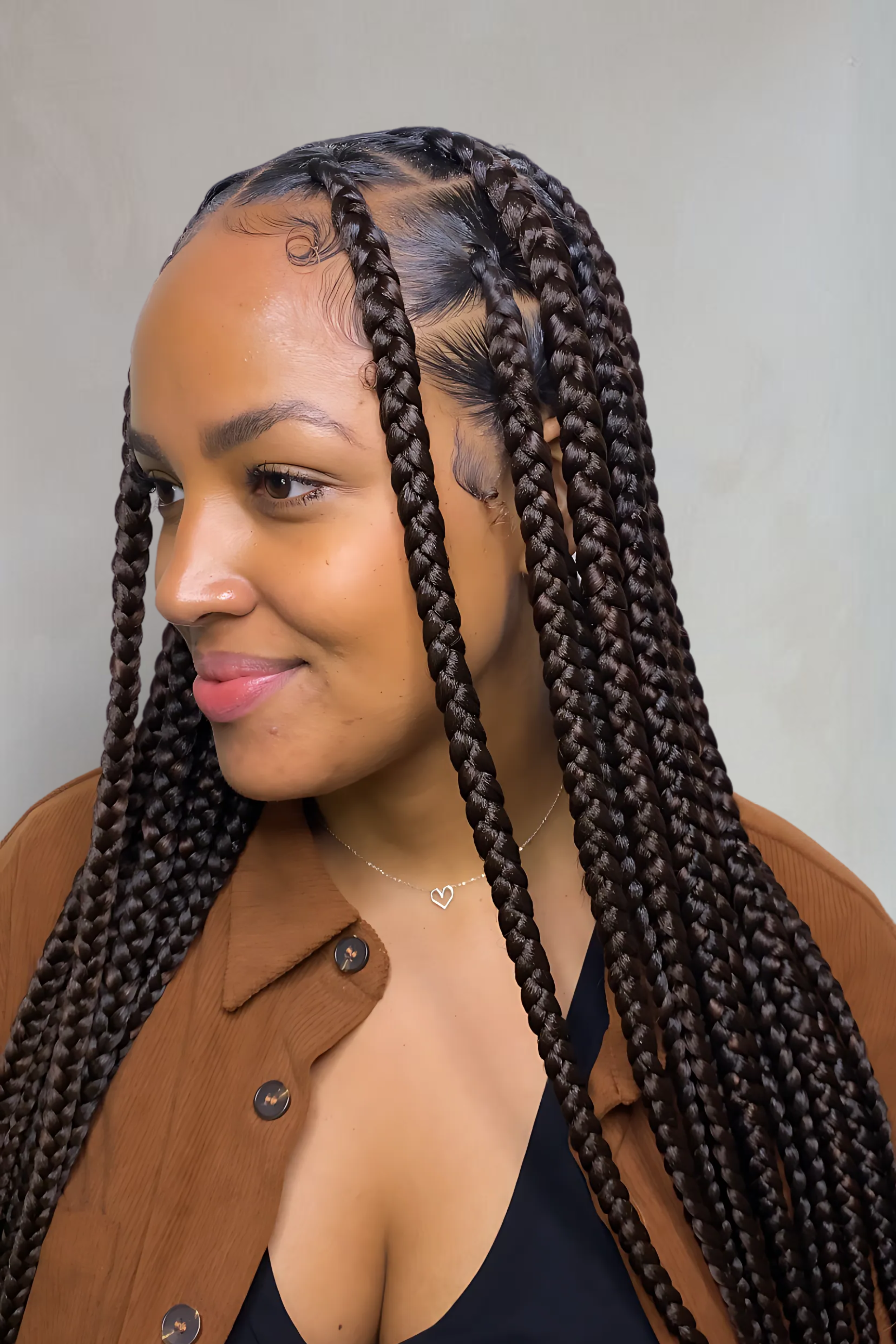
1. Gel for parting and braiding down
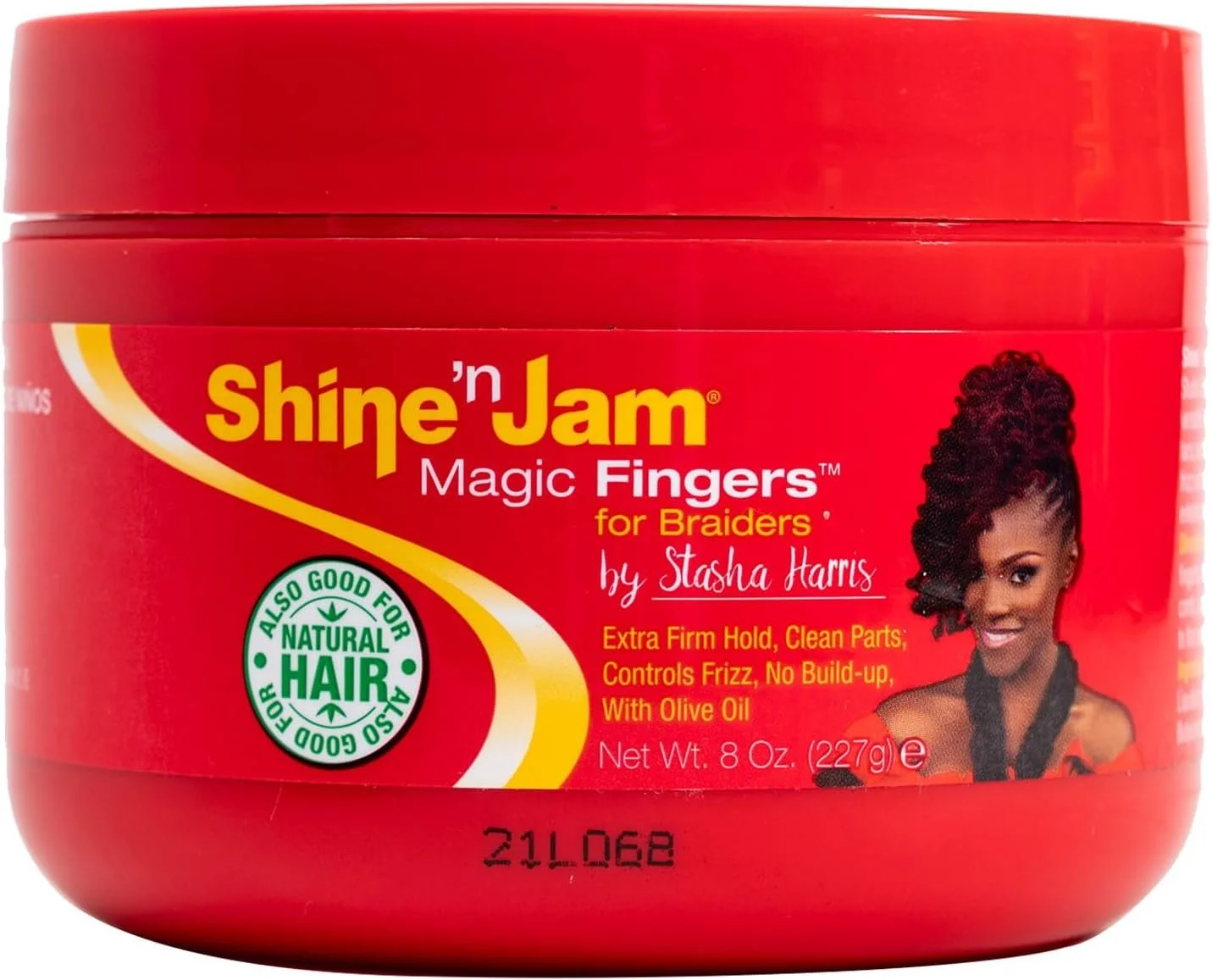
Red Shine and Jam
This is probably the gel I'd recommend to most beginners.
I use it when I need to make my parts straight and when I want to smooth the natural hair into the extension hair while I'm braiding down. It's a softer conditioning gel, so it works across most hair textures and doesn't take much product.
Best for:
• Parting
• Braiding down
• Smoothing the natural hair into the extension hair
• Most hair textures
• Beginners
2. Gel for 4C hair and extra grip
Sometimes a softer conditioning gel isn't enough.
If you're working on denser 4C hair or creating stitch braids where you want the foundation to stay firm, you need something that grips the hair at the base.
This is where moulding gels come in.
Pure O Neatbraid Conditioning Gel
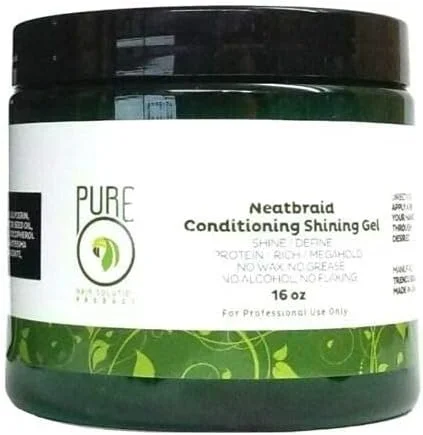
Neatbraid is one I reach for when I want a crisp finish but still need the hair to move naturally as I'm braiding down. It has more hold than a softer conditioning gel, which makes it useful when you want those sections to stay neat while you're feeding in hair.
Gummy Styling Wax
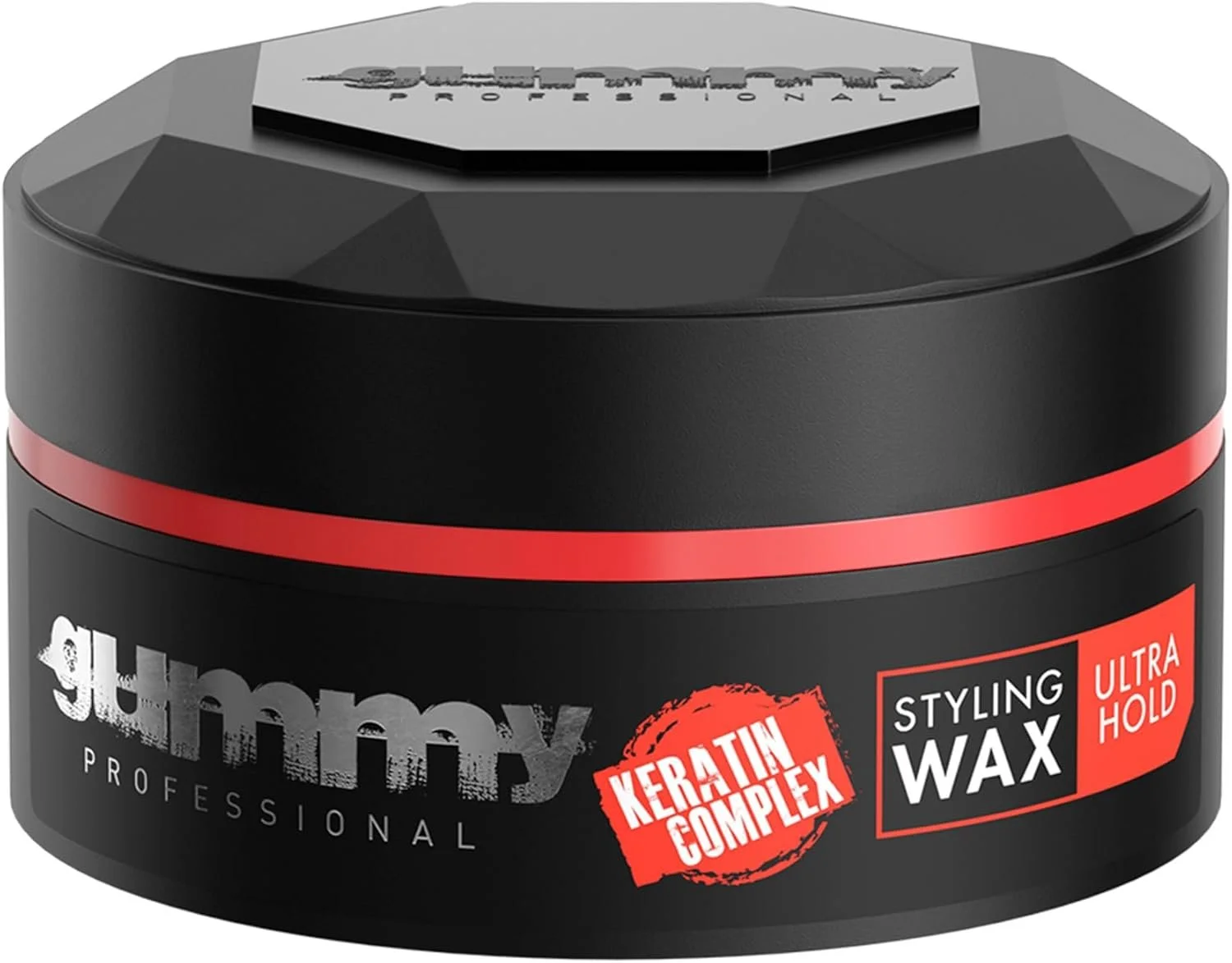
If I need even more grip at the base, especially on denser textures, Gummy Wax gives that extra hold that helps keep the braid firm while I'm working.
The key with both of these is using less than you think you need. Build the product gradually instead of applying a thick layer all at once.
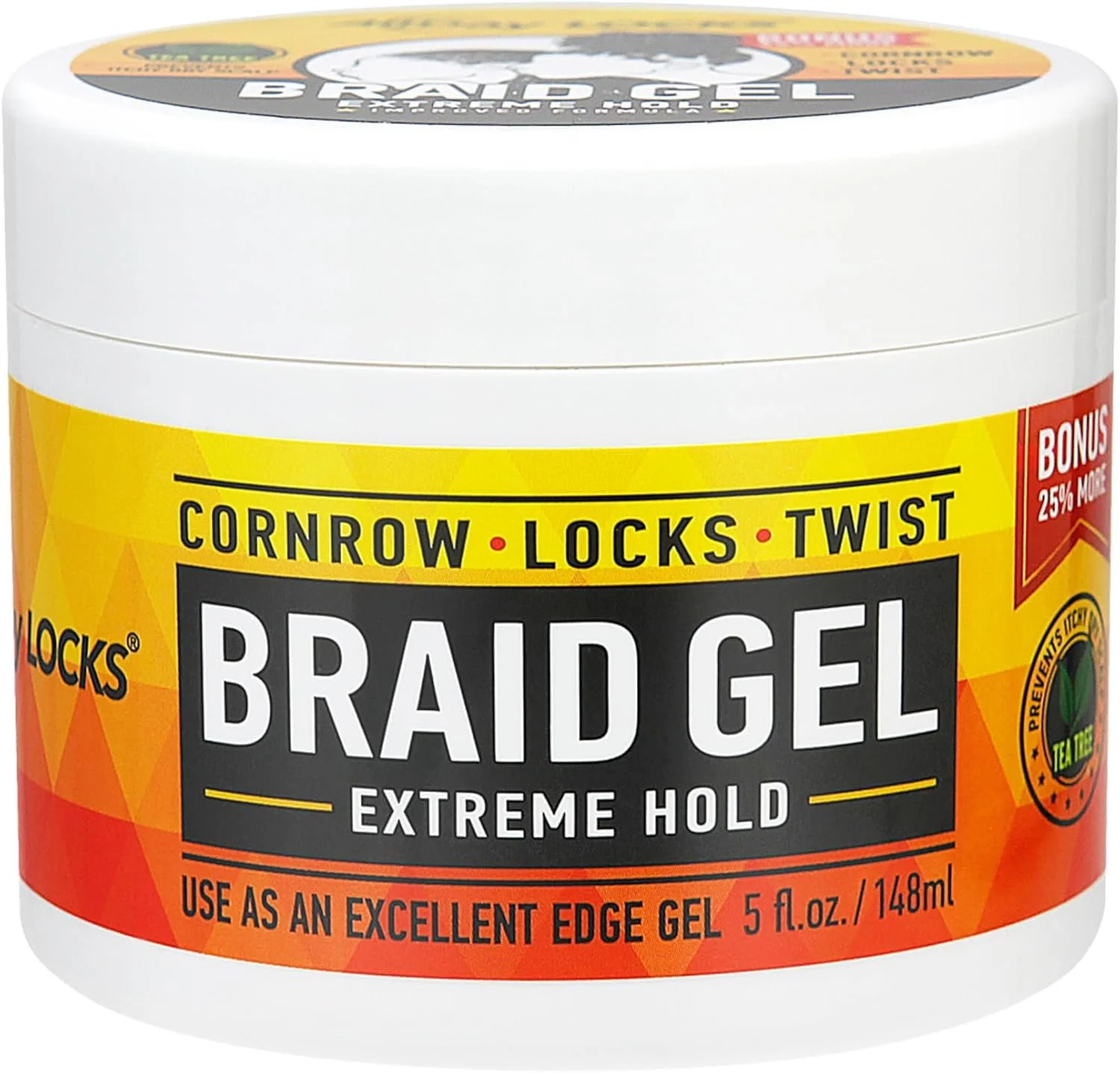
All Day Locs Braiding Gel
This one definitely gives you the grip you want, but in my experience it can leave a white cast if you use too much or if you're working on hair that's heavily oiled.
I know plenty of braiders who love it, but I'd probably leave this one until you've built a little more confidence with product control.
Why does braid gel turn white?
One thing that surprises a lot of beginners is that the gel isn't always the problem.
Very often, it's what was already on the hair.
Natural oils and heavy oil-based moisturisers don't always interact well with braiding gels. When the two mix together, especially with thicker moulding gels, you can end up with that white residue that shows up as the style dries.
If I'm prepping natural hair before braiding, I usually prefer something lighter, like a leave-in conditioner or serum, rather than coating the hair in oils.
A few other things that help:
Use less gel than you think.
Avoid applying gel to heavily oiled hair
Apply only to the section you are working on.
Save heavier moulding gels for when your technique improves.
Products I use for finishing
The finishing products are just as important as the gels.
Once the braids are complete, I want everything to settle naturally and any loose hairs to lie down without making the style feel sticky.
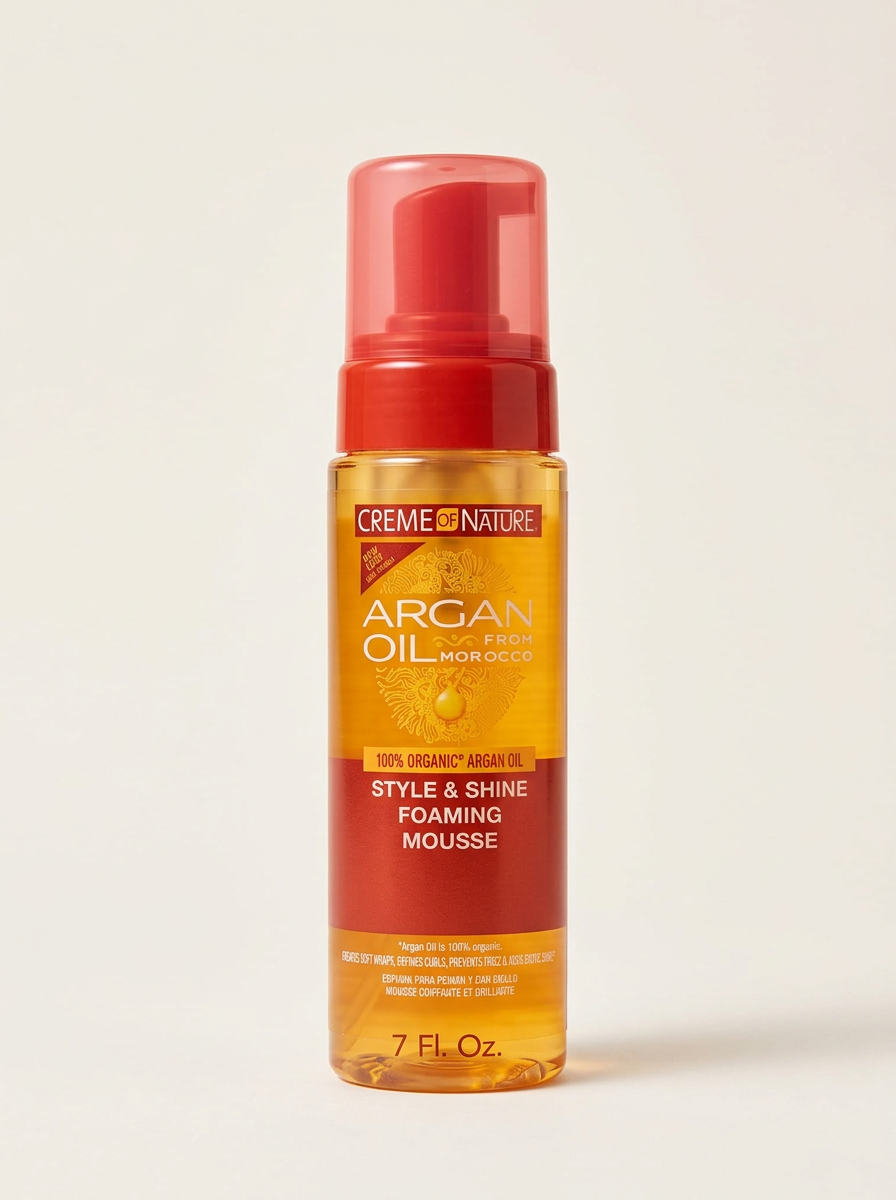
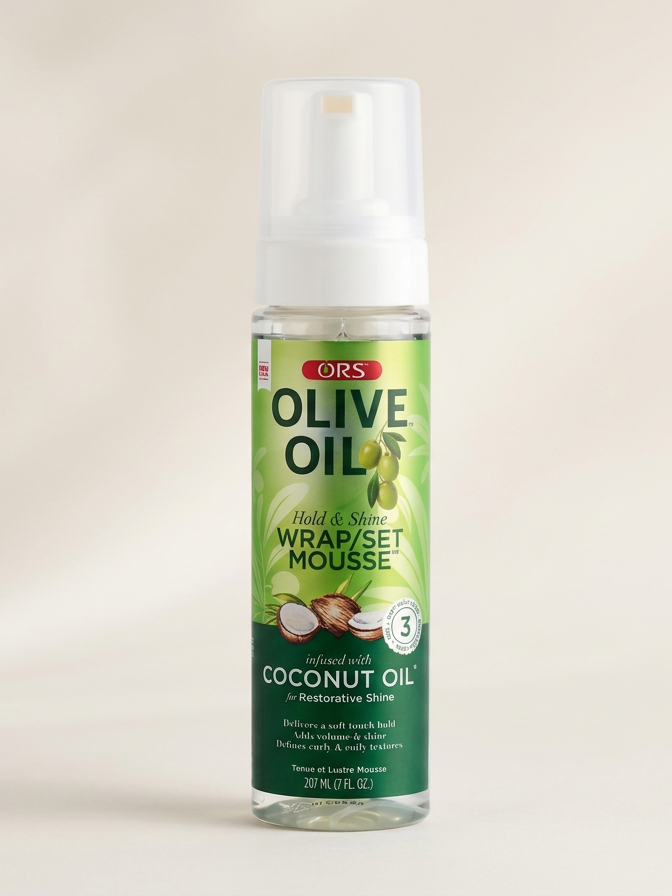
Argan Oil Styling Mousse or ORS Wrap Mousse
These are usually what I reach for after dipping. These help settle the finished braid, smooth flyaways and bring the style together.

The right gel can help you create cleaner parts.
A stronger moulding gel can help grip the hair at the base.
A setting mousse helps settle the finished style.
But products won't teach you how much hair extension to feed in, how to control tension, or why one side of your stitch braids or knotless braids looks different from the other.
The same goes for tools. A precision parting comb can help you create straighter sections, but learning how to section consistently is a skill that comes with practice.
That's exactly what we work on during my hands-on training days.
Products help, but technique matters more.
Tell me a little about your braiding journey and what you'd like help with. I read every submission myself and will come back to you with the training option that best suits where you are right now.
Where are in your braiding journey.
Hi, I’m Angela
Founder, professional braider and educator at one of Ireland's leading braiding studios.
At Fab Xtensions in Dublin, I blend African artistry with advanced technique to create precision knotless, stitch braids and protective styles for every hair type. It's the only studio in Ireland doing this work to this standard.
Beyond the chair, I train the next generation. My work has reached Netflix's Wednesday and the Gate Theatre in Dublin, I trained the head and deputy head of wigs for Hamilton, and LinkedIn Dublin recently brought me in to lead a braiding workshop for their team.
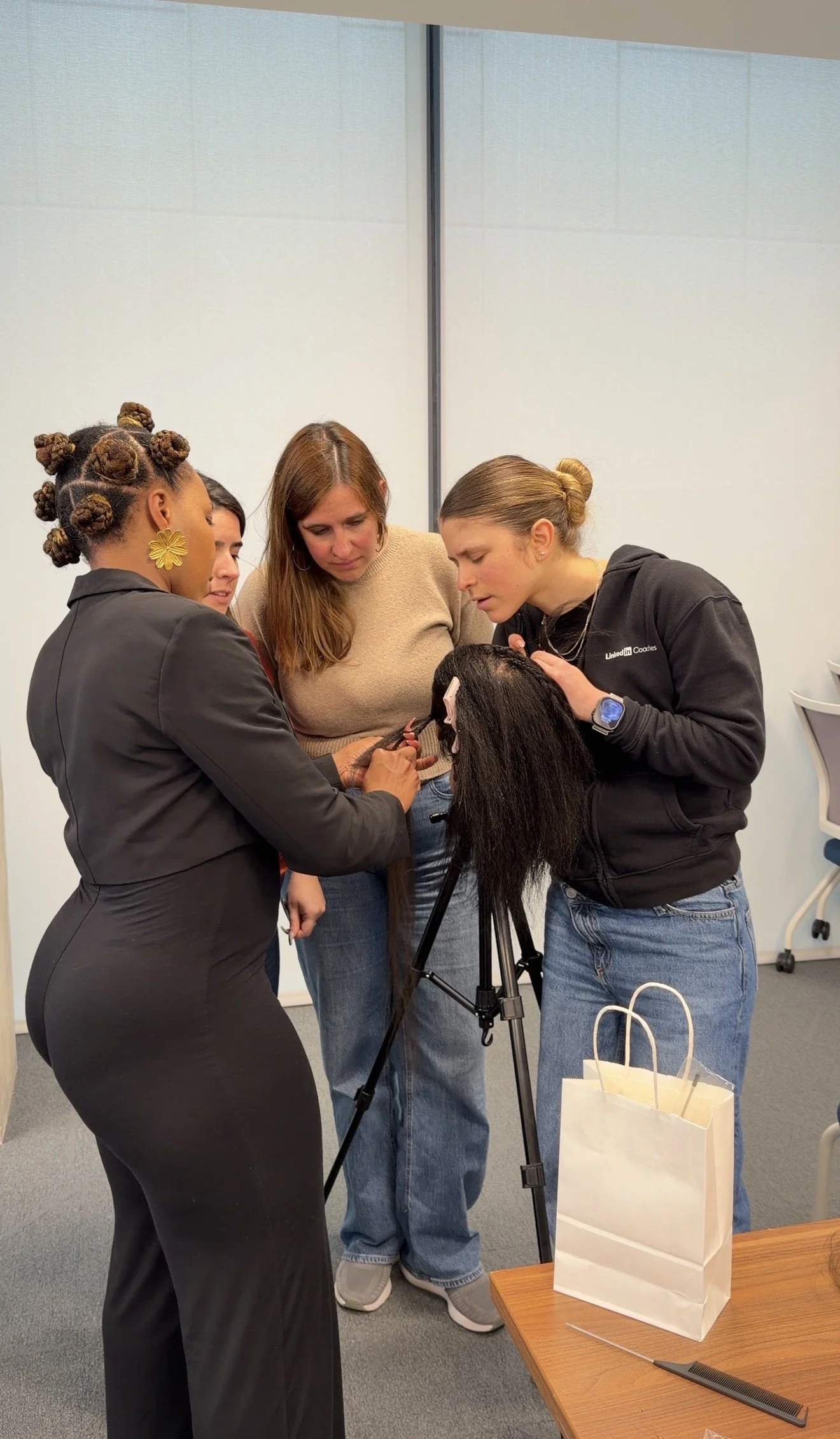
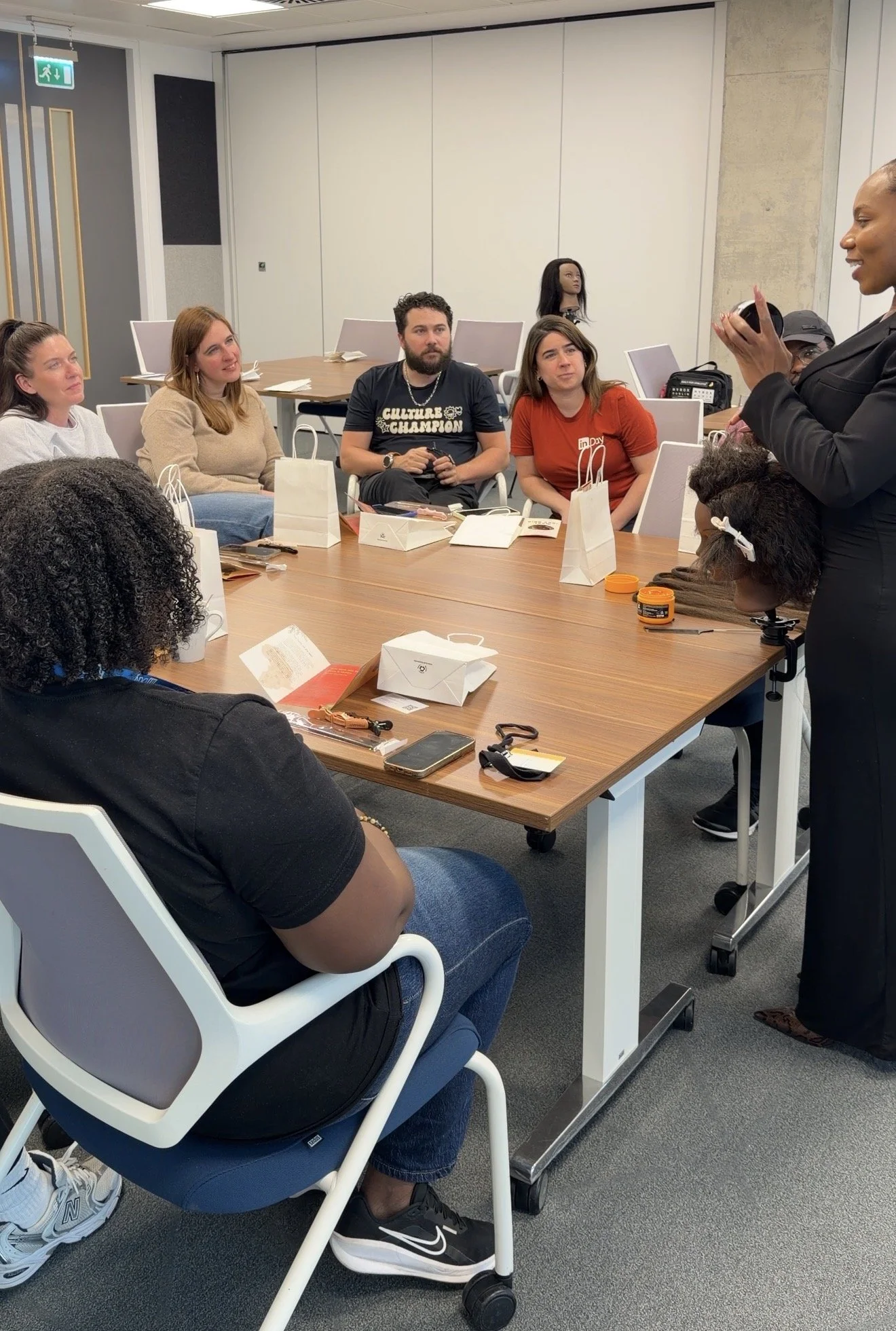
When I started, braiding in Ireland wasn't being done to a high standard, and the braiders doing it were underpaid and overworked. I'm changing that. Braiding is a craft, and like any craft it deserves to be done well and paid for properly. That's what my work was recognised for at the Irish Hair and Beauty Industry Awards, and it's what I teach. If you've ever wondered whether braiding can actually pay you, that's the question this training answers.
Feedback from a Braider who trained with Angela
“She created a supportive and encouraging learning environment, and her passion for braiding truly showed. I left feeling more confident in my abilities and excited to practice what I learned. Highly recommend her workshop to anyone looking to perfect their stitch braids!”